
Málaga to Dublin with the Azores
onboard Silver Wind
April 22 – May 9, 2027


Azores & Ireland Cruise
Far-flung outposts of civilization, remote islands off the mainland, dramatic sea cliffs bursting with untamed natural beauty, this is an itinerary perfect for expedition cruising. Explore the wild wonders of the Azores and the west coast of Ireland on this immersive 18-day voyage. Visit Madeira, an archipelago rising from the sea some 400 miles west of Morocco. Cruise through cetacean-laden waters to Portugal’s other archipelago—the Azores—simply stunning and geologically restless, with steaming geothermal pools and impossibly blue crater lakes. Continue north to Ireland’s storied Aran Islands, brooding and seemingly frozen in time. Take in the profound beauty of the Cliffs of Moher along Ireland’s Wild Atlantic Way. Watch for Basking Sharks in the North Atlantic and spot puffins among the Skellig Islands. Join Apex on this wild and rugged Azores and Ireland cruise, far from the refinements of the continent, where wind and water still hold sway.


Destinations
- Travel by Air
- Travel by Road
- Travel by Boat
- Travel by Bullet Train
- Travel by Rail
- Travel by Dog Sled
- Day 1
- Day 2
- Days 3 & 4
- Day 5
- Day 6
- Day 7
- Day 8
- Day 9
- Day 10
- Days 11 – 13
- Day 14
- Day 15
- Day 16
- Day 17
- Day 18
-
Thursday, April 22: Arrive Málaga, Spain
Arrive in Málaga, considered the star of Spain’s Costa del Sol. Transfer to your hotel, then venture out to explore this famous city on your own. Return to the hotel to meet your expedition leaders and fellow travelers at a welcome dinner. Overnight at ME Málaga.
-
Friday, April 23: Málaga / Embark Silver Wind
After breakfast, set off on a walking tour of this ancient and artistic powerhouse of a city. See the nearly fully intact Teatro Romano, built in the 1st century BC by Emperor Augustus, and the exquisite 11th-century Moorish fortification, Alcazaba. Continue to Catedral de Málaga, known as “La Manquita,” or “one-armed lady,” as only one of its two planned towers were completed. Visit the renowned Museo Picasso, which takes you on a beautifully curated chronological journey of the artist’s career. Wander to the lively Plaza de la Merced to see Picasso’s birthplace—he lived here for his first decade, and the city has embraced him as its native son. Head to the port and embark the Silver Wind, your home away from home for the next 16 nights. Enjoy lunch onboard then be on deck as the ship leaves port and heads west into the Alboran Sea.
-
Saturday & Sunday, April 24 & 25: At Sea
Sail through the Strait of Gibraltar and into the Atlantic Ocean. These waters form an important cetacean corridor, so keep an eye out for Pilot and Sperm Whales, and large pods of Common, Bottlenose, and Striped Dolphins. See flying fish skim the surface while pelagic birds like shearwaters, petrels, and gannets soar overhead. Attend lectures on lush and rugged Madeira, an autonomous archipelago of Portugal in the North Atlantic about 400 miles west of Morocco. After dinner, go out on deck and be sure to look up, as a clear night will ensure phenomenal stargazing.
-
Monday, April 26: Funchal, Madeira, Portugal
Madeira has an entirely unique identity, despite its Portuguese affiliation. At its heart, it is dramatic—from its breathtaking volcanic cliffs and black sand beaches to its pirate-filled history. Take the day to explore Funchal, the archipelago’s capital and home to half its population—roughly 100,000 people. The city offers boulevards, an array of fine museums, and charming praças, or town squares. Named for the wild fennel that Portuguese settlers found here in abundance in 1424, Funchal quickly became an important maritime port. There are a variety of exploration options to choose from today. Join a food and city walking tour to see Rua de Santa Maria, the city’s oldest street, and famous for its over 200 colorful doors that have been vividly painted by local artists. Stop at a café to sample some of Madeira’s eponymous fortified wine. Hike the Vereda do Larano, a scenic coastal trail that offers breathtaking views of the Atlantic Ocean, rugged cliffs, and lush landscapes. Or, visit Madeira Botanical Garden in the hills over the city and take a cable car ride for an even more dramatic view of your surroundings. This evening, set sail northwestward, to the exquisite Azores. Look for Pilot Whales and Cory’s Shearwaters, as the terraced hillsides of Madeira fade from view.
-
Tuesday, April 27: At Sea
Spend today at sea heading to Portugal’s “Islands of Colors.” Look for the resident Sperm Whales found here year-round, and the Blue, Fin, Humpback, and Sei Whales passing through at this time of year. Learn about the unique geology of the Azores. Rising from the Mid-Atlantic Ridge, where three tectonic plates—the North American, Eurasian, and African—meet. The human history of the islands is equally interesting, as the Azores are an Atlantic crossroads, a vital stopover for ships dating back to the 15th century, traveling between the three continents.
-
Wednesday, April 28: Ponta Delgada, São Miguel Island, Azores
The volcanic, often mist-covered, slopes of the Azores’ biggest island stand as a welcome sight in the vast ocean. Go ashore today at Ponta Delgada, the archipelago’s largest city and capital of this autonomous region of Portugal. You can choose to visit the mighty Caldeira das Sete Cidades, a colossal collapsed volcanic caldera dominated by its iconic twin lakes. Stop at the Vista do Rei to take in the magnificent panorama—the larger, deeper lake is blue, reflecting the sky, while the smaller lake has a green hue to match the surrounding foliage. Or, drive across the island to Gorreana, the oldest European tea plantation still in operation. Have a cup of fresh tea and stroll through the lush terrain. In Furnas, you can walk past the town’s fumaroles before settling into some warm, iron-rich water at Poça da Dona Beija hot springs. Feeling refreshed, enjoy the scenic coastal drive back to Ponta Delgada. In town, meander through the historic center, passing the Portas da Cidade and São Sebastião Church.
-
Thursday, April 29: Horta, Faial Island
Continuing west, you’ll reach Faial this morning, another of the Azores’ nine islands, and the site of the most recent volcanic eruption in the archipelago in 1957. Visit Capelinhos on the island’s far western edge to see how dramatically the ash changed the landscape, covering farms and villages, and adding nearly a mile of new land to the island. The Lighthouse of Ponta dos Capelinhos is an island icon, having survived the eruption and now standing alone on this barren moonlike terrain. In the island’s center is the massive extinct Caldeira do Faial, one of the best-preserved strongholds of endemic Azorean flora. From the rim, you can look down into its immense, bowl-shaped crater and witness the thriving laurel forest. In Horta, the island’s main city, head to Espalamaca Lookout for the best views of the colorful harbor and nearby islands.
-
Friday, April 30: Santa Cruz das Flores & Ponta Delgada, Flores Island
Ilha das Flores is the westernmost of the Azores, located entirely on the North American tectonic plate. It receives the most rainfall of all the islands and is often referred to as a floating botanical garden with its many lagoons, waterfalls, and crater lakes. Hydrangeas were introduced to the archipelago from Asia, and they have positively taken over, serving as fencing between homes and blanketing the landscape in their unique pink-blue hues. Flores was deemed a UNESCO Biosphere Reserve in 2009, due to its unique, sustainable ecosystem, rich biodiversity, and a commitment to preserving its natural environment. You can choose to visit Morro Alto and Pico do Se, a protected Natural Forest Reserve on the island’s central plateau. A short walk will lead to panoramic views over two crater lakes, Lagoa Negra and Lagoa Comprida. Further exploration brings you to Miradouro Caldeira Rasa e Funda lookout for stunning views of the caldera lakes and misty landscape. Then, see the towering green cliffs of Fajã Grande and Poço do Bacalhau waterfall, one of the treasures of Flores Island. Or, spend your time visiting the town of Ponta Delgada, strolling the walkways offers a glimpse into everyday life on the island.
-
Saturday, May 1: Angra Do Heroísmo, Terceira Island
A severe earthquake hit the islands of Terceira and São Jorge in 1980, leaving the 16th-century city of Angra in ruins. It was so faithfully restored that its town center became a UNESCO World Heritage Site in 1983. The town square and 400-year-old military fortifications are key historic features. Battles have been fought on Terceira twice—in the 1580s, the islanders fought unsuccessfully against Spanish occupation. During the Liberal Wars of the 1820s, Angra served as the capital of Portugal for a government in exile. Angra’s citizens won a battle in 1829 which led to the city’s name being officially changed to Angra do Heroísmo. Choose a walking tour through Angra’s old town, exploring its rich history, architecture, and cobbled streets. Or, choose to descend into a volcanic chimney 300 feet deep at Algar do Carvão for a look at its underground chambers, stalactites, and stalagmites. Alternatively, set off on a hike around the extinct Monte Brasil volcano, passing historic structures and offering stunning views of the city, harbor, and coastline.
-
Sunday – Tuesday, May 2 – 4: At Sea
Some 1,200 nautical miles north of the Azores stands another continental outlier—Ireland. Enjoy three days at sea sailing to the Emerald Isle, attending lectures to learn about the upcoming Skellig and Aran Islands. Whale diversity peaks in these waters in the month of May, so you may catch sight of Sperm, Blue, Fin, Sei, Humpback, and Minke Whales. Dolphins always abound—Common and Striped Dolphins closer to the Azores, with Bottlenose, Atlantic White-sided, Risso’s, and White-beaked Dolphins further north. As you approach Ireland, you may see Northern Gannets, fulmars, and possibly auks.
-
Wednesday, May 5: Bantry, County Cork, Ireland
Be on deck early this morning to take in the stunning views of sheltered Bantry Bay with the colorful town of the same name nestled at its head, framed by the craggy mountains of West Cork. Located on the Wild Atlantic Way, one of the longest defined coastal routes in the world, Bantry is a busy market town and fishing port. Nestling amongst the drumlins at the head of Bantry Bay, it’s a splendor of mountain scenery, hilly pastures, streams, lakes, and woods. Choose from a variety of touring options today. You can visit Bantry House, the ancestral home of the Earls of Bantry, which commands the finest views of Bantry Bay and is one of Ireland’s most attractive, great houses—continually lived in and managed by the White family since 1739. Full of treasures collected on the travels of generations of Earls of Bantry, gorgeous restored formal gardens, and excellent tearooms, it’s an unmissable treat. A climb of the famous Hundred Steps at the back of Bantry House gives an awesome view right across the bay. Alternatively, discover the abundant beauty, charm, and flavors of Whiddy Island. Resting between peninsulas in Bantry Bay, Whiddy Island boasts an intriguing naval history, and enjoys a superb strategic position in one of the world’s finest deep-water harbors. Upon arrival at Whiddy Island, meet Tim, the local publican, postman, and all-round hospitality King for Whiddy Island. He will take you into his pub near the shoreline for a cooking demonstration utilizing locally-farmed mussels. For those wanting a leg stretch, depart the pier and drive to the Gougane Barra National Park, which features magnificent mountain scenery and brooding cliffs rising above the dark waters of the lake. This magnificent Forest Park covers over 137 splendid hectares (339 acres) and you can choose from five different walking trails. With its beautiful pine forests and craggy hilltops, it is compared to both the Canadian Rockies and Yosemite Valley, but on a much smaller scale.
-
Thursday, May 6: Cliffs of Moher & Kilronan, Inishmore, Aran Islands
“To be Irish is to stand tall as the cliffs with a soul as deep as the ocean…” is an old Irish proverb, and it refers to these very giants perched on the southwest edge of County Clare. There’s no better vantage point in viewing these 700-foot-tall, 330-million-year-old cliffs than from the water below. Thousands of guillemots, razorbills, fulmars, and kittiwakes thrive on these cliffs, as well as the largest mainland colony of puffins in Ireland. You might also spot whales, seals, and a Basking Shark in the surrounding waters.
Known as “the Islands of Saints and Scholars,” the Aran Islands at the mouth of
Galway Bay seem frozen in time. This afternoon, visit Inishmore (Inis Mór), the largest island. Over 50 Celtic, Christian, and pre-Christian sites stand on Inishmore alone, the most important of which is perhaps the Iron Age fort of Dún Aonghasa, described as “the most magnificent barbaric monument extant in Europe” by archaeologist George Petrie. Perched precariously on a 300-foot cliff, the fort is one of Ireland’s most sacred sites. You can opt for a bicycle tour of the island or spend some time in the island’s town of Kilronan. Walk past traditional thatched cottages and pop into a pub for a taste of local culture and an earful of Gaelic.
-
Friday, May 7: Skellig Islands & Ballinskelligs
As the sun rises, catch your first glimpse of the rocky and magnificently striking Skellig Islands, standing just 8 miles off Kerry in southwest Ireland. If they look familiar, it’s because you may have seen them in several of the recent Star Wars movies. But long before George Lucas landed on its dramatic shores, people have been enthralled by the Skelligs. First referenced in 1400 BC, it became home to an order of monks in the 6th century. Seabirds claimed their well-preserved beehive-shaped monastery long ago, but its remains have been deemed a UNESCO World Heritage Site. Today, sail around the Skelligs to see the monastery and a massive Northern Gannet colony, with nearly 30,000 breeding pairs present, one of the largest colonies of seabirds in the world. Atlantic Puffins, European Storm Petrels, Manx Shearwaters, and Northern Fulmars also nest on the island, making up the “Skellig Big Five.” Nearby, on the mainland, stands Ballinskelligs (literally, “town of the Skelligs”). It is one of the last remaining Irish-speaking enclaves in County Kerry and found fame in 1875 as the endpoint of an early transatlantic telegraph cable stretching 2,500 miles from Nova Scotia. Walk to the ruins of Ballinskelligs Abbey, founded around 1210 for Skellig monks as life on the famous islands became increasingly precarious. Soak in the views of Ballinskelligs Bay as you gaze out at the islands.
-
Saturday, May 8: Cobh
Cobh (pronounced “Cove”) is a picturesque town on an island in Cork city’s harbor. It’s known for being the Titanic’s last port of call in 1912. Step into Titanic Experience Cobh, a themed attraction in the historic White Star Line building. Then visit the Cobh Heritage Centre which explores how Cobh became an embarkation point during Ireland’s mass emigrations. From 1849 –1950, over 2.5 million people emigrated from Ireland through Cobh port. Just a short ferry ride away, Spike Island is Ireland’s version of Alcatraz. Over 1,300 years old, the star-shaped fortress later had the dubious honor of being the world’s largest prison. Tour the Old Midleton Distillery where Jameson Whiskey is made. Or, visit the 15th-century Blarney Castle, famous for its legendary Blarney Stone, embedded in the castle wall. The stone’s power is said to bestow the gift of eloquence on anyone who kisses it. Afterwards, enjoy an Irish coffee and a panoramic drive around Cork, Ireland’s second largest city.
-
Sunday, May 9: Dublin / Disembark Silver Wind / Depart
After breakfast, disembark the Silver Wind in Dublin and transfer to the airport for your international flights home.
Details
- April 22 – May 9, 2027
- Leaders Peter Harrison, Shirley Metz & Gerald Broddelez
- Rates starting from $17,190 per person Rate details

Málaga to Dublin with the Azores, 2027
onboard Silver WindSuite Categories Per Person Rates Vista Suite $17,190 Classic Veranda Suite $18,890 Deluxe Veranda Suite $23,290 Medallion Suite $30,490 Silver Suite $35,990 Royal Suite $42,590 Grand Suite $49,990 Owner's Suite $56,690 Solo – Vista $29,345 Solo – Classic Veranda $32,315 Solo – Deluxe Veranda $40,015 - 18 days Trip Length
- 274 guests onboard Silver Wind
- Málaga Start
- Dublin End
The Apex rate includes, as noted in the itinerary, a welcome reception and dinner in Malaga, including local beer and wine; overnight in Malaga prior to the voyage; morning touring in Malaga; all airport transfers; and all gratuities. In addition, the voyage rate includes accommodations onboard the Silver Wind, activities and excursions as described in the itinerary, services of four Apex Expeditions leaders, as well as the full onboard Silversea lecture team and expedition staff; all crew gratuities; complimentary room service onboard the vessel; all meals and select wines and spirits onboard the vessel; permits; entrance fees; and taxes.
Call us to reserve your spot on this exciting expedition!
Málaga to Dublin Map
Have a question? Call us at 206.669.9272 / 800.861.6425. Prefer email?
Get in Touch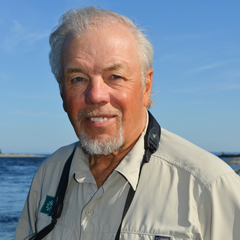

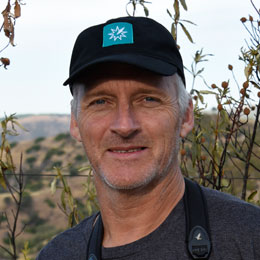
Gerald Broddelez
Gerald is intrigued by this itinerary’s mix of wild natural beauty, art, and architecture.