
New Zealand's South Island
New Zealand’s South Island with Fiordland Cruise
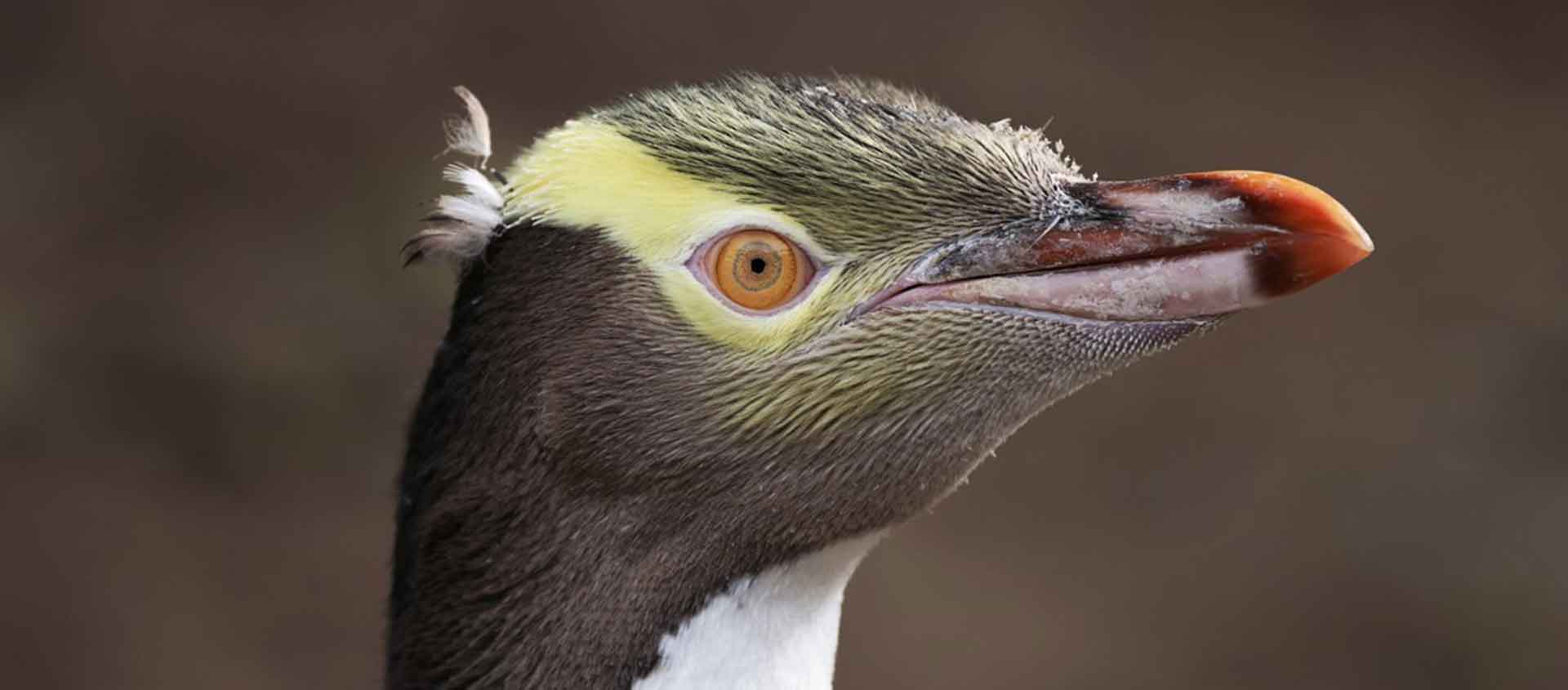
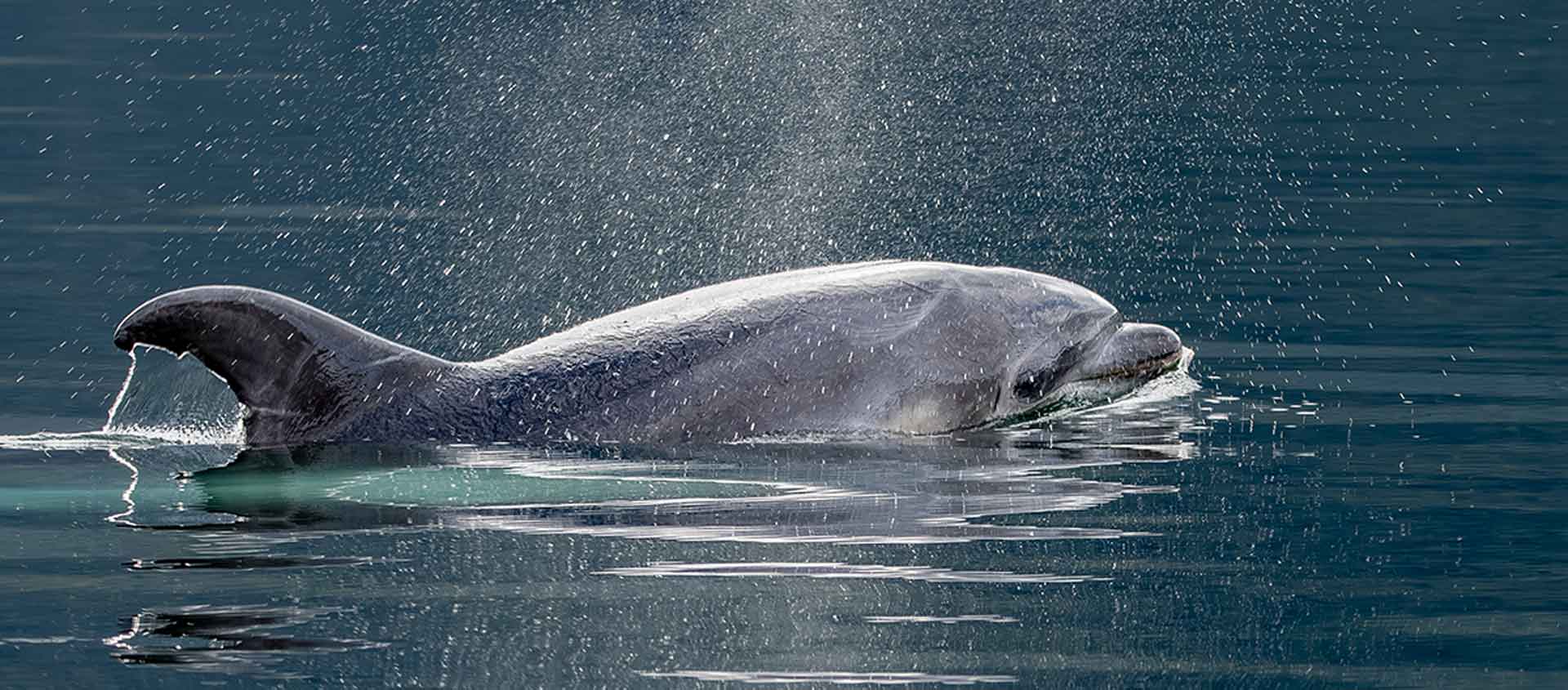
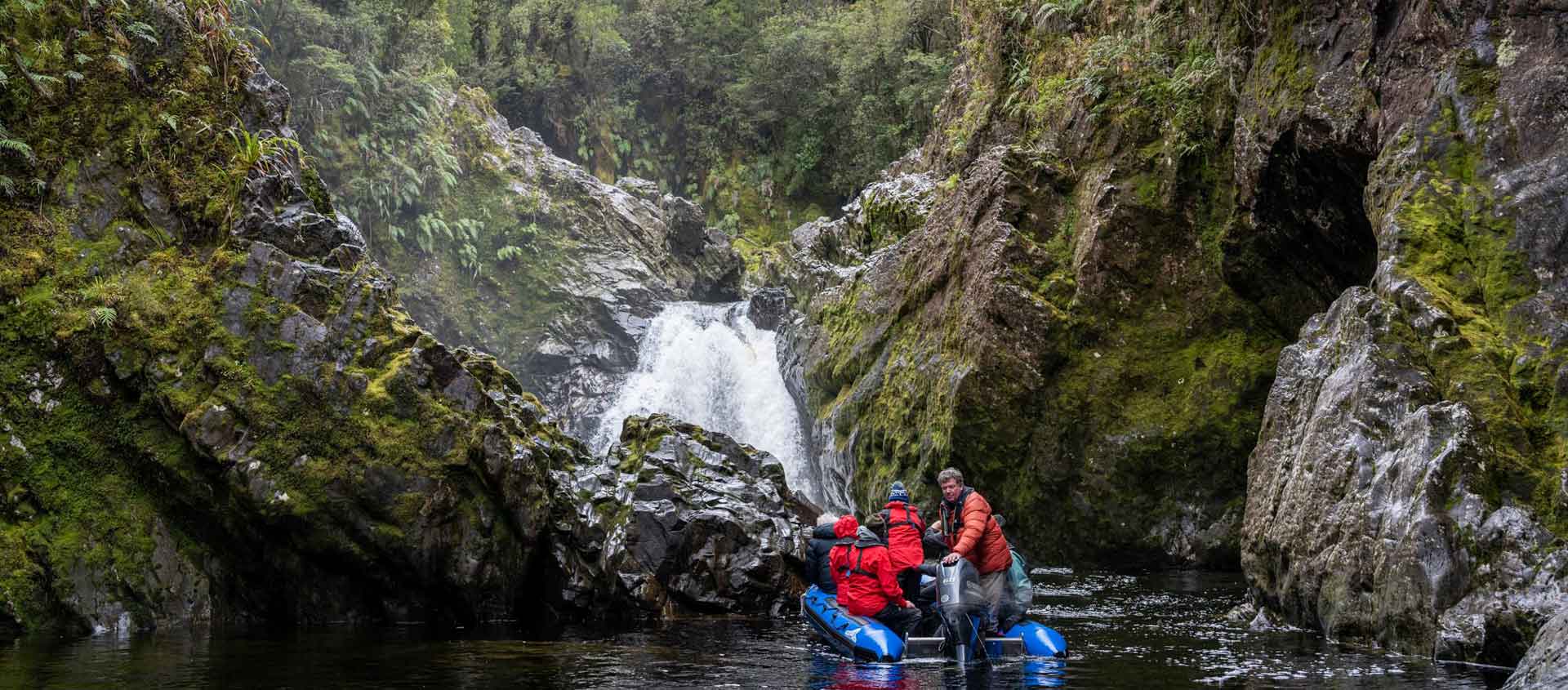
Few spots on earth rival New Zealand’s South Island for sheer pageantry: jagged, ice-carved peaks; deep, silent fiords; tumbling waterfalls; and seaside rainforest. Explore the island’s topographic extremes, from picturesque farmland, windswept beaches, and culturally significant colonial towns; to the jaw-dropping Te Rua-o-te-Moko, or Fiordland National Park, most of which is accessible only by sea, making it one of the world’s most unspoiled places. Learn about Māori culture, visit historical sites dating back to Captain Cook’s first expedition, and feast your eyes on a diverse array of uncommon wildlife, from Dusky Dolphins and Sperm Whales to two of the world’s rarest and most elusive penguins, Yellow-eyed and Fiordland Crested Penguins. Join Apex on this unique combination tour of New Zealand’s South Island with Fiordland cruise.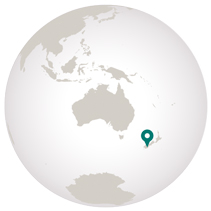


Destinations
- Travel by Air
- Travel by Road
- Travel by Boat
- Travel by Bullet Train
- Travel by Rail
- Travel by Dog Sled
- Day 1
- Day 2
- Day 3
- Day 4
- Day 5
- Day 6
- Day 7
- Day 8
- Day 9
- Day 10
- Day 11
- Day 12
- Day 13
- Day 14
- Day 15
- Day 16
- Day 17
-
Tuesday, February 10: Arrive Christchurch, New Zealand
Arrive in Christchurch, the revitalized and eminently livable gateway to New Zealand’s South Island, and transfer to your hotel. This evening, gather with your fellow travelers and expedition leaders for a welcome dinner and briefing. Overnight at Sudima Christchurch City Hotel.
-
Wednesday, February 11: Christchurch
After breakfast, head out for a beautiful hike just outside town, on the spectacular Godley Head Loop Track, with views over the coastline, historic WWII landmarks, and back towards Christchurch City. Return to town for lunch, then drift down the Avon River on an Edwardian-style punt, a flat-bottomed boat with a square-cut bow. Then take a guided walk through the 75-acre riverfront Botanic Gardens. Enjoy dinner at a local restaurant, then overnight at Sudima Christchurch City Hotel.
-
Thursday, February 12: Christchurch / Kaikoura
Start the morning with a visit to the small Quake City exhibition, with photography, video, and architectural relics highlighting the impact of the Canterbury earthquakes of 2010 and 2011. Afterwards, take a scenic drive to picturesque Kaikoura, beautifully situated with the snow-clad peaks of the Seaward Kaikōuras as its backdrop, and the Pacific Ocean lapping at its feet. Have lunch and a special presentation with a marine biologist. Kaikoura’s most famous residents may be the Sperm Whales that are drawn here by the abundant prey, including a healthy population of Giant Squid. This afternoon, enjoy a unique aerial perspective on these behemoths by taking a flightseeing tour above them. This way, you can see the entire whale and keep up with pods as they frolic. Enjoy dinner at the stunning seaside Hiku Restaurant, renowned for its local seafood. Overnight at Sudima Kaikoura Hotel.
-
Friday, February 13: Kaikoura / Oamaru
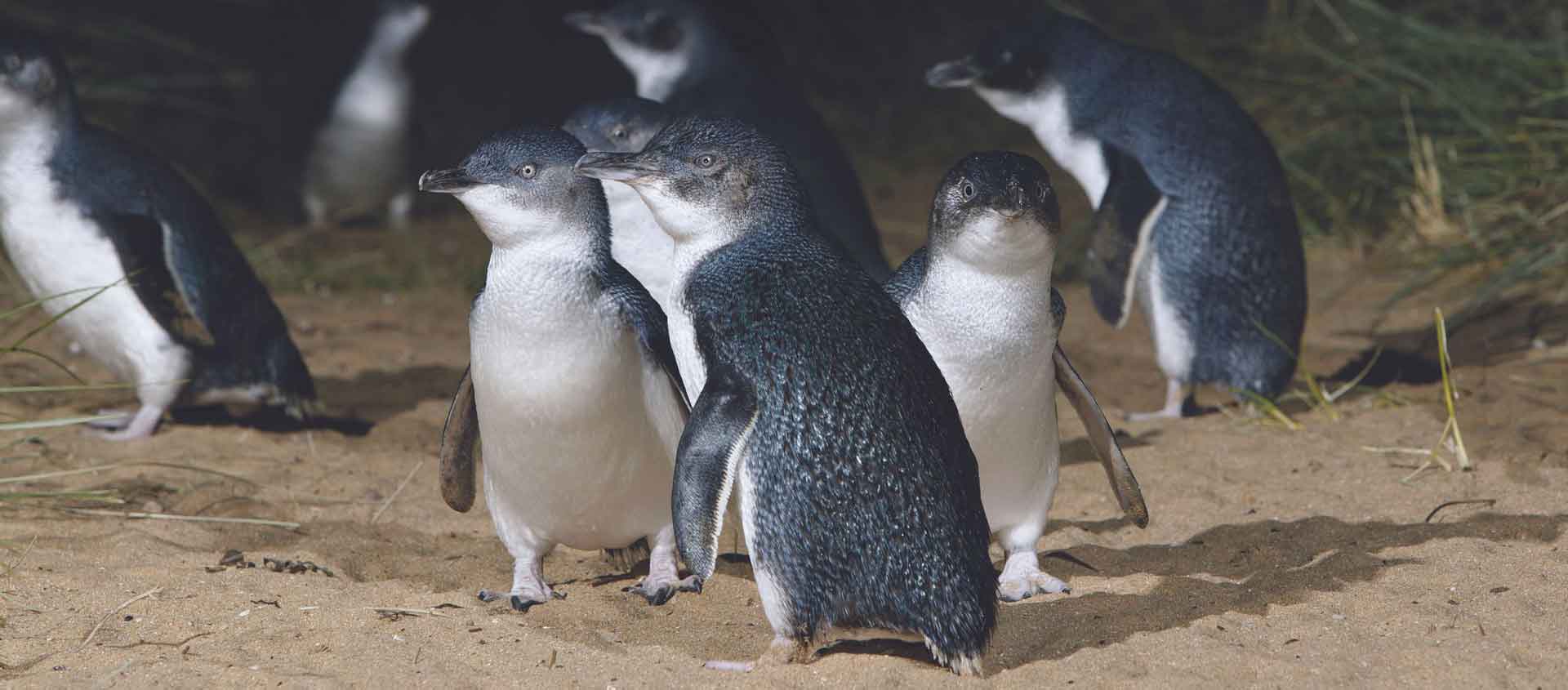
Early this morning, head onto the ocean for a cruise of the surrounding waters, characterized by their deep canyon system, which sustains a rich marine food chain, making the area a prime habitat for an impressive quantity of diverse marine wildlife. Watch Dusky Dolphins leap and somersault around the boat. You may also opt to jump in and swim with these acrobats. Have lunch in town before taking a small flight-seeing plane to our next destination, the Victorian town of Oamaru. Enjoy dinner in the quirky town center, then head to the Oamaru Blue Penguin Colony to see the world’s smallest penguin species. Overnight at The Highfield Mews.
-
Saturday, February 14: Oamaru / Dunedin
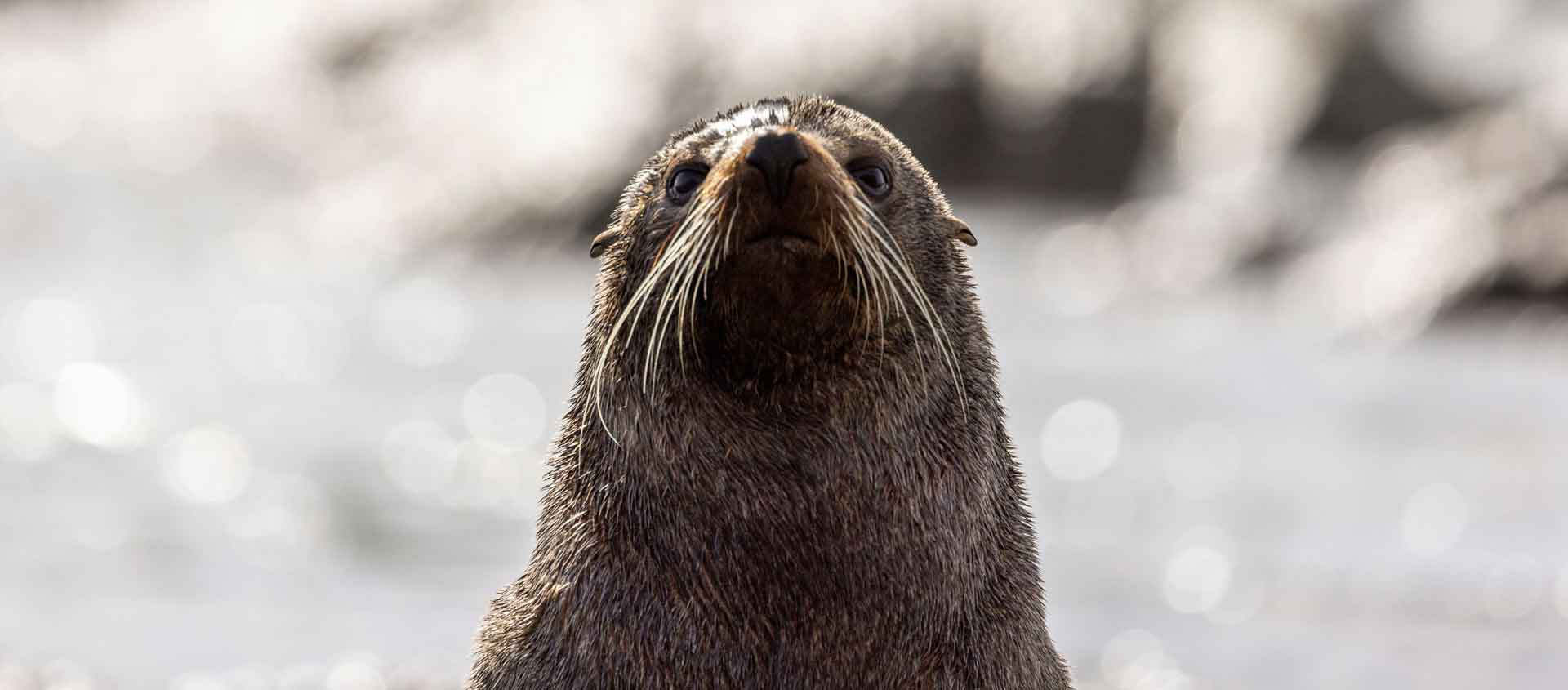
After breakfast in town, enjoy a walking tour of Oamaru’s historic precinct and learn of its colonial past before heading back by road toward Dunedin. Depending on the tide, you may be able to stop at the mysteriously spherical Moeraki Boulders, which feature prominently in Māori legend. Enjoy lunch at a local restaurant, then head out for a New Zealand-style safari, in an open-air ATV. See the breeding habitat of the world’s rarest penguin, the Hoiho, or Yellow-eyed Penguin. Watch them and Blue, or Little, Penguins as they hop about freely on the beach. Look for New Zealand Fur Seal families, as well. Dinner and overnight at Fable Hotel Dunedin.
-
Sunday, February 15: Dunedin
This morning, head to the Tuhura Otago Museum, one of the country’s largest, established when Dunedin was one of the most important ports in the Pacific. Tour the largest southern Māori collection on Earth. Explore the nature gallery with its famous Animal Attic, filled with hundreds of examples of Victorian taxidermy. After lunch, take a tour of the postcard-perfect villages and farms of the Otago Peninsula. Enjoy a cruise to see various species of albatross, as well as cormorants, petrels, Blue Penguins, and Dusky and Hectors Dolphins. Head to the Royal Albatross Centre for up-close views—from a glassed observatory—of a breeding colony of these rare and fascinating giants. This evening, take a twilight tour of the Otago Peninsula Eco Restoration Alliance. See Yellow-eyed Penguins at close range in their rehabilitation center. Walk among Blue Penguins, New Zealand Fur Seals, Hooker’s Sea Lions, and many species of birds in the reserve. Overnight at Fable Hotel Dunedin.
-
Monday, February 16: Dunedin / Te Anau
Today, round the southern tip of New Zealand from east to west, through the dramatic Catlins Coast, with its rugged seacliffs and temperate rainforests. Stop for lunch enroute, and arrive in Te Anau, the gateway to the jaw-dropping Te Rua-o-te-Moko, or Fiordland. This afternoon, head out on a cruise across Lake Te Anau. On the western shore, enter a labyrinthine underground cave network, still being carved by the river rushing through it. See twisting limestone passages, whirlpools, and an underground waterfall. End up in a hidden grotto and climb into boats, drifting silently beneath a sparkling, bioluminescent canopy of native glowworms. It is an experience you won’t soon forget. Dinner and overnight at Distinction Te Anau.
-
Tuesday, February 17: Te Anau / Embark Heritage Explorer / Preservation Inlet
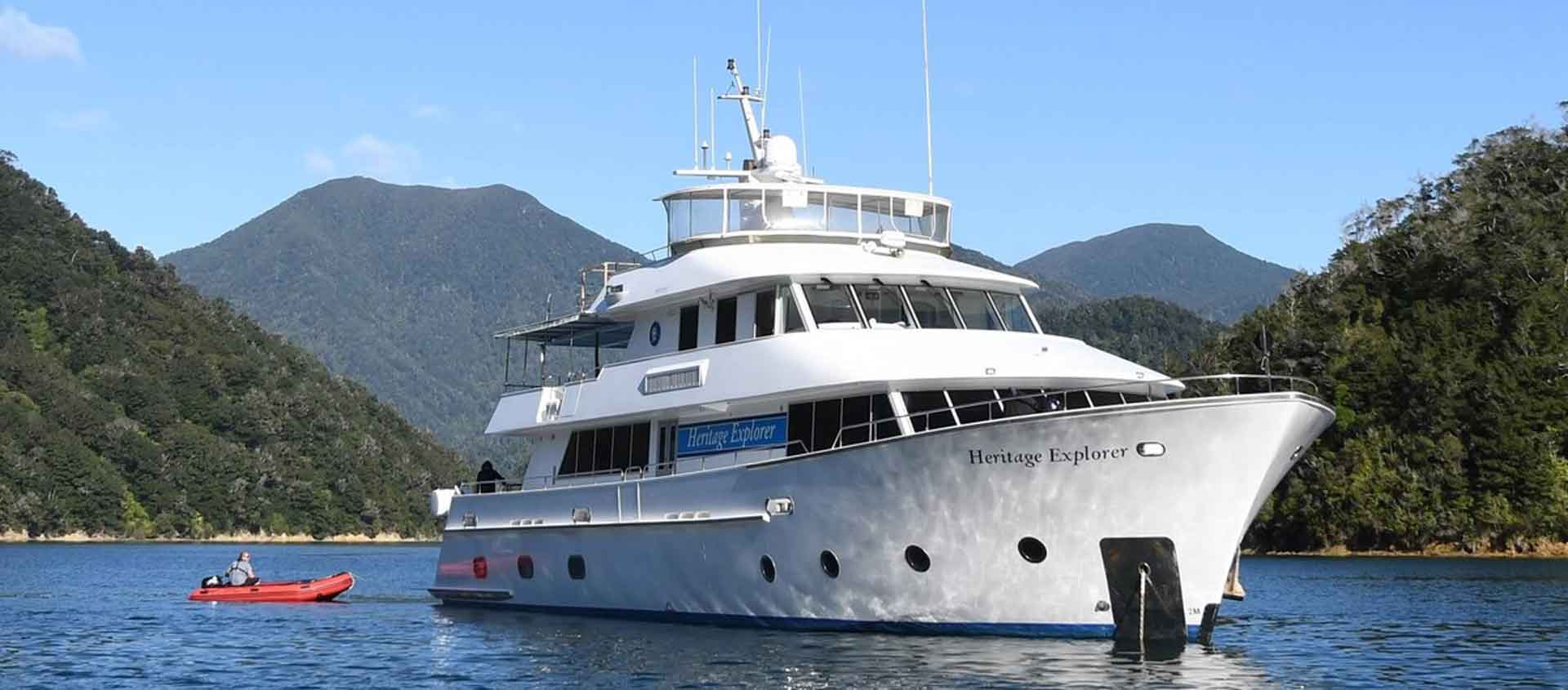
This morning transfer to the helipad for an awe-inspiring helicopter ride to Preservation Inlet, and directly aboard the expedition yacht Heritage Explorer, your home away from home for the next nine nights. Settle into your cabin before heading up to deck to watch as the ship sets sail along Long Sound.
-
Wednesday, February 18: Preservation Inlet
Preservation Inlet is brimming with history, having once been a bustling hub of economic activity. More than 2,500 gold miners and saw millers flocked here to seek their fortune in the 1890s. Cruise past the crumbling mining towns of Cromarty and Te Oneroa, now being reclaimed by nature. See the toppled 3-story black chimney and steam boiler of the failed Tarawera Silver Mine and Smelter, and the site of New Zealand’s first whaling station at Cuttle Cove. This afternoon, disembark for a great coastal walk to the country’s most remote lighthouse at Puysegur Point, perched some 40 feet above the South Island’s southwestern-most point.
-
Thursday, February 19: Chalky Inlet
At the entrance to Chalky Inlet, you will see the impressive limestone cliffs of Chalky Island, the inspiration behind Captain Cook’s naming of the fiord. One of several important predator-free islands in the area, Chalky Island is home to some of New Zealand’s most critically endangered species including the endemic Te Kakahu Skink, discovered in 2002. Continue into the inlet. Walk on the beach at South Port to see the old sawmill site. Visit the rusting hulk of the 1800s steam ship Stella at North Port. Sail to the head of the fiord for a majestic view of the surrounding mountains.
-
Friday, February 20: Dusky Sound
Dusky Sound is a haven for an array of wildlife, including fur seals, rare Fiordland Crested Penguins, and Bottlenose Dolphins. It is also home to some of the most significant historical sites in New Zealand. Predator-free Anchor Island is home to half of the world’s population of the nocturnal Kākāpō and Little Spotted Kiwi. It is also the site of the first European house and wooden ship constructed in New Zealand, in Luncheon Cove. Take a Zodiac to Facile Harbor at nearby Pigeon Island. Learn of the heroic efforts of Richard Henry, the first conservationist who attempted to transport live Kākāpō and kiwi to the island to restore their population.
-
Saturday, February 21: Acheron Passage / Breaksea Sound
Resolution Island is separated from the mainland by the narrow waters of scenic Acheron Passage, where the Fiordland rainforest grows right down to the sea. Venture into Wet Jacket Arm, so named because the crew of Cook’s HMS Resolution ended up with wet jackets during their survey work here. It is also where Moose were released, and last seen, in New Zealand. Come out of the passage in sheltered Breaksea Sound, initially scouted as terrain for sheep farming by early settlers. Here, you will find Breaksea Island, significant among conservationists as one of the first large islands in New Zealand to be declared rat-free.
-
Sunday, February 22: Doubtful Sound
The deepest, and possibly most spectacular, of all the fiords is the 25-mile-long Doubtful Sound. Named by Captain Cook on his first voyage because he was doubtful he would ever be able to get out once he was in, it is also called the “Sound of Silence” for the awe-inspiring scenery of the surrounding towering peaks. Cruise past waterfalls, sheer stone cliffs, and quiet coves looking for fur seals, albatross, dolphins, and Fiordland Crested Penguins as you pass Blanket Bay, the Shelter Islands, Pandora River, Deas Cove, and Open Bay.
-
Monday, February 23: Charles & Caswell Sounds
Charles Sound forks into Emelius and Gold Arms. Gold Arm is home to one of the most extensive marine reserves in the inner fiords, Kahukura Marine Reserve, while other sections are included in the Taumoana Marine Reserve. Today, anchor in Gold Arm and embark on your choice of activity: kayak whilst looking for bobbing seal heads and passing albatross or explore the coast via Zodiac. Another rarely explored fiord, Caswell Sound is home to the last physical remains of the 1949 New Zealand–American Fiordland scientific expedition, a primitive hut standing on the banks of the Stillwater River. Enjoy a stroll along Stillwater River towards Lake Marchant. Fishing here is good for those interested in securing tonight’s dinner.
-
Tuesday, February 24: George Sound
George Sound is the largest of the Northern Fiords. There is much to explore across its 16 miles, most impressively Lady Alice Falls, which swan dives out of the dense surrounding forest and thunders 185 feet down into the ocean in a white spray. It was at the head of George Sound that Wapiti (Elk) were introduced to New Zealand in 1905, part of the herd gifted by U.S. President Theodore Roosevelt.
-
Wednesday, February 25: Milford Sound
Spend your final day in the best known and most accessible of the fiords, Milford Sound, end point of the world-famous Milford Track. It extends 14 miles and is lined by impossibly tall cliffs. At over 5,000 feet, the iconic Mitre Peak is New Zealand’s most photographed mountain. Waterfalls abound. Toast to the adventure at a farewell dinner aboard the ship, before spending your last night on the sea.
-
Thursday, February 26: Disembark Heritage Explorer / Te Anau / Queenstown
After a final breakfast and farewells, disembark the Heritage Explorer and enjoy a drive to Te Anau, via the historic Homer Tunnel and the lowland beech forests and golden grasslands of Eglinton Valley. This afternoon, transfer to the Queenstown airport for your international flights home.
Have a question? Call us at 206.669.9272 / 800.861.6425. Prefer email?
Get in Touch